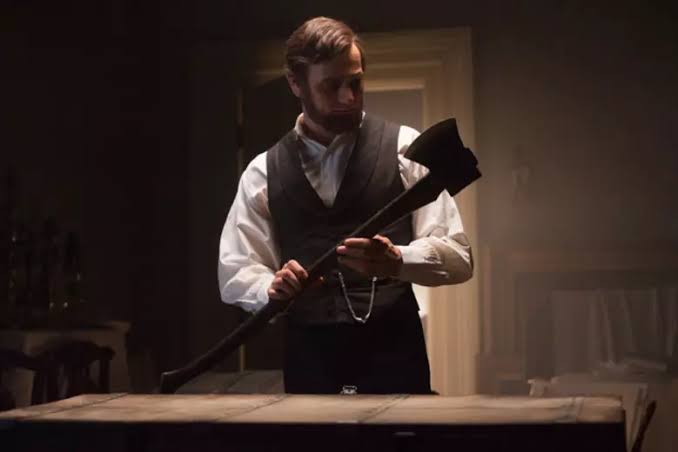
Young Abe Lincoln lived with his family in Indiana when he first spotted slavery’s horrible schemes; slavers from the South were using the Fugitive Slave Act to come to northern states and take any Black people they found south to be enslaved, even if they were freed or had never been slaves. Abe steps in to save his friend Willie from slavers. His dad Thomas gets involved and loses his job and the family is threatened by the foreman.
Later, Abe has a dream about his mother being bitten; she dies soon after. The slaver had threatened the Lincoln family with tragedy…
Skip ahead a few years. A grown Abe Lincoln comes to Springfield, Illinois to study law. Looking for a place to stay and with no money to pay, he falls in with Joshua Speed, working at his store and staying in a room above it. There he eventually steals future wife Mary Todd from future senate rival Steven Douglass.
His past catches up to him when his friend Will hunts him up in Springfield and is subsequently captured by slavers and shipped to New Orleans — where the slaver who was once fought off by Abe as a child invites Abe down for a visit.
Compelled to go, Abe and Joshua take a flatboat down the Mississippi to New Orleans. Now this, for me, was the best part of the movie. The delta, crowded with paddleboat steamers, looked like it was straight out of a painting (and might have been).
With Will saved, Abe, Joshua and a group of escaped slaves take the Underground Railroad back north. Abe is more determined than ever to erase the scourge of slavery from the country.
He marries Mary, debates his rival Steven Douglass, wins a Senate seat and eventually the presidency. Tasked with running the country, dealing with the seceded South, the untimely death of his son Willie and a war on the horizon that would decimate the Union no matter which side won, he is forced to face the slavers, head on, one more time.
Obviously, the movie took liberties with history. Lincoln had four children, though only one survived to adulthood, and was with him that night in the theater.
If you’re looking for historical accuracy — this isn’t the movie for you. But I really enjoyed the honest scenes of Lincoln, in Springfield, falling in love. Because this is a movie about love.





Leave a Reply